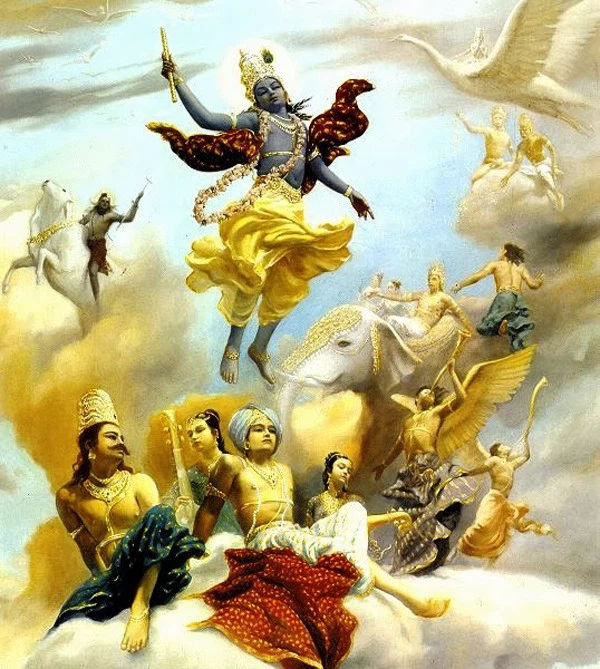
Is there the existence of Swarg (Paradise) or not?
The term ‘paradise’ has a relation to joy and pleasure. Any state that provides enjoyment and pleasure is in itself Paradise. In this article we explain the three types of Paradise.
The term ‘paradise’ has a relation to joy and pleasure. Any state that provides enjoyment and pleasure is in itself Paradise. In this article we explain the three types of Paradise.
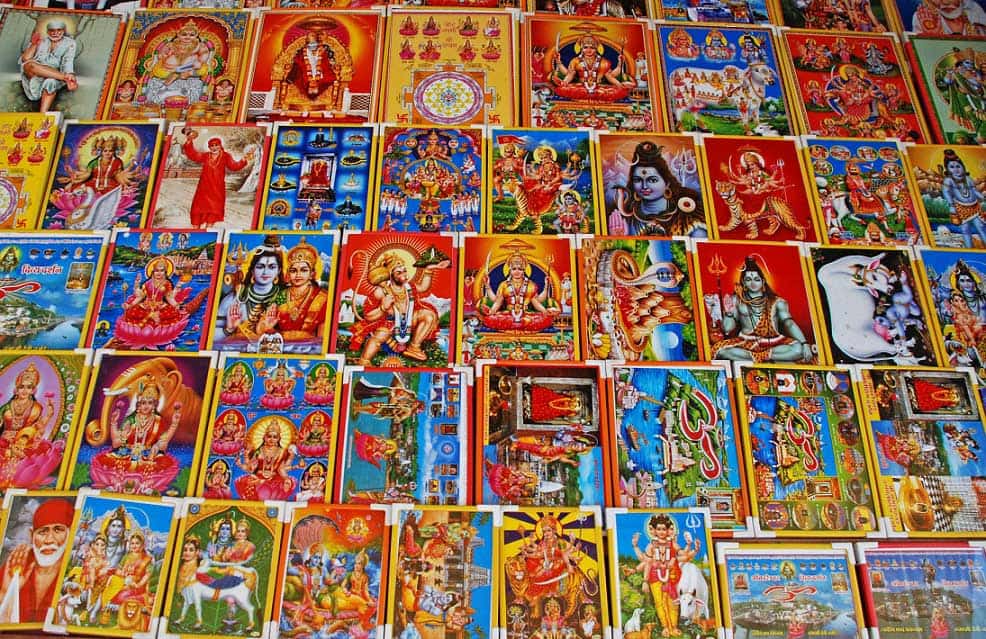
(Kashmir, Tibet and Mansarovar) by the volitional power of Ādi Nārāyan were called divine creation because of their being highly learned and of truthful nature. With time their number increased to 33 crores. Sometimes, these pious, virtuous, saintly and learned humans were addressed as 33 crore divinities.
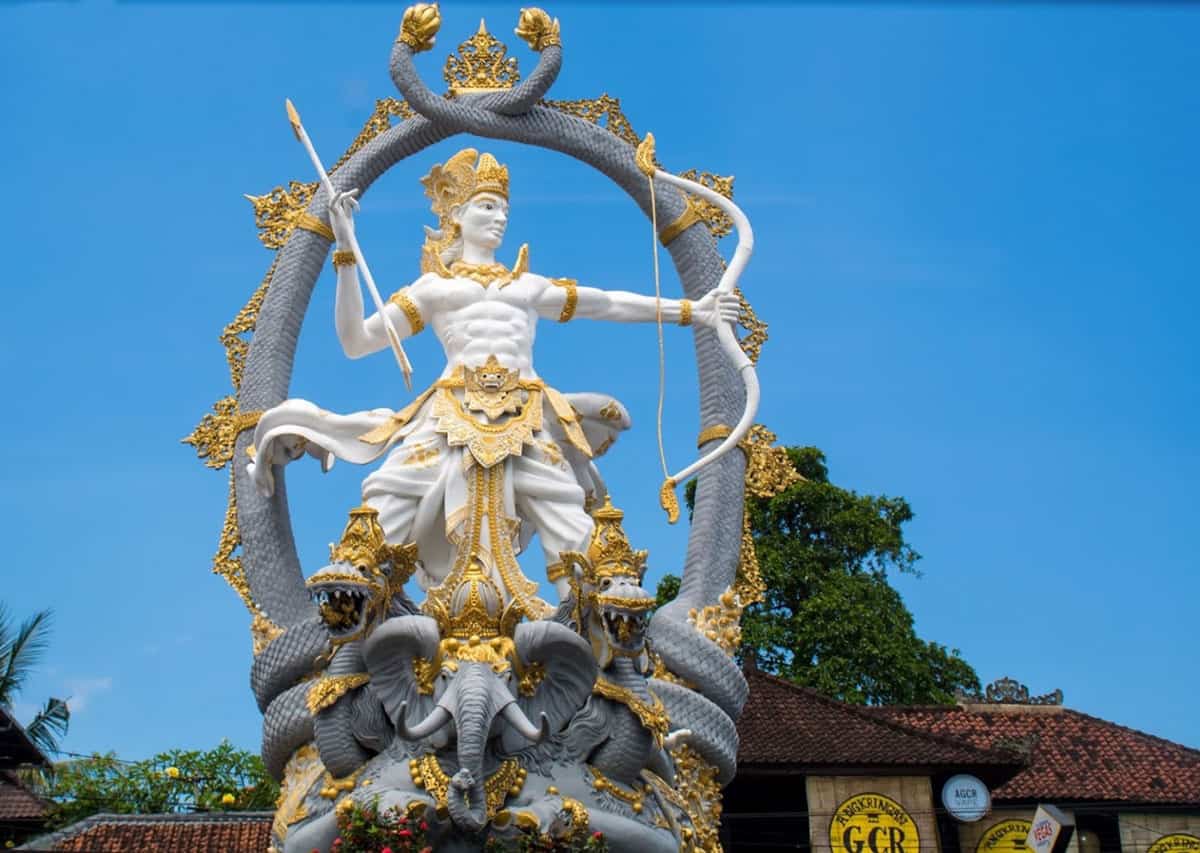
Because of general or popular belief, a delusory misconception prevails that Divine beings (God or Devta) live in a world above the sky and are invisible to our eyes.
Navratri means nine nights. The number 9 has great significance as it is considered a divine number as it is accurate, complete, magical and mystical. It represents the manifestation of infinite cosmos from null or void. Number 9 is an imperishable and indomitable number representing the Cosmic spirit.
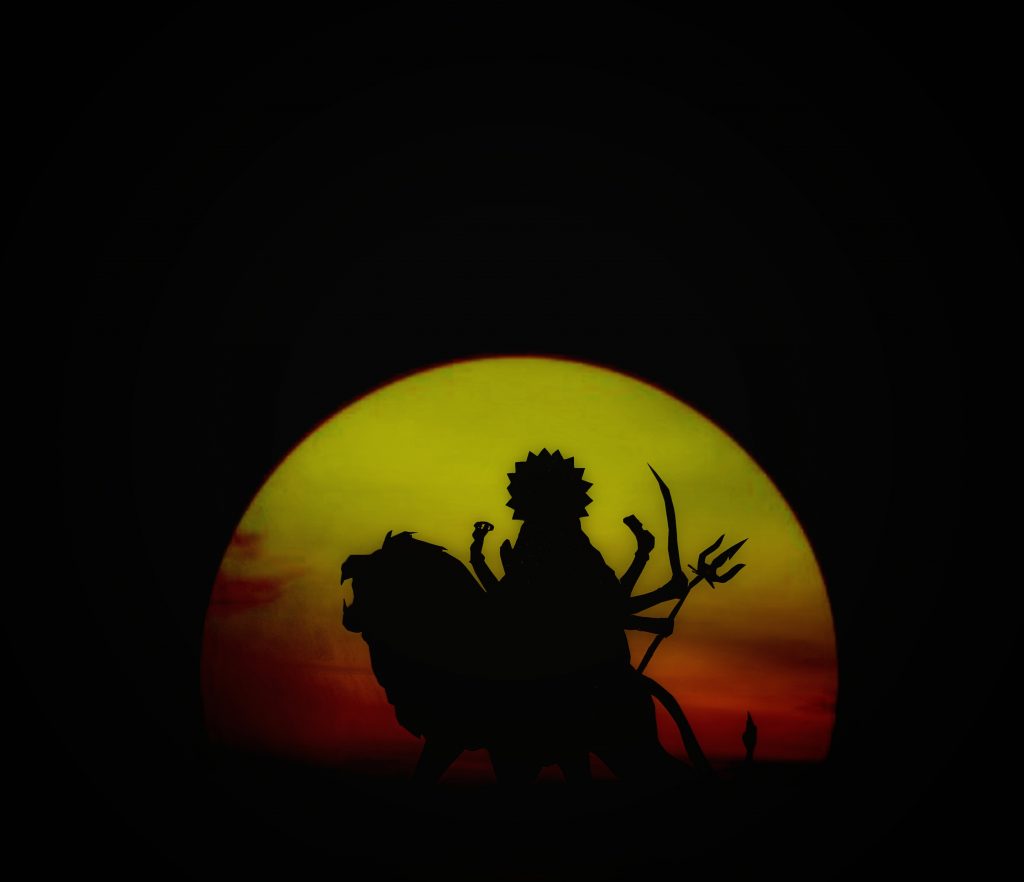
During the festival of nine nights (Navratri), devotional worship of goddesses (devis) is the tradition. Mythical mythologies (purans) depict such worship; however, these scriptures are of recent times (since about 5000 years) and are of worldly or of human origin.
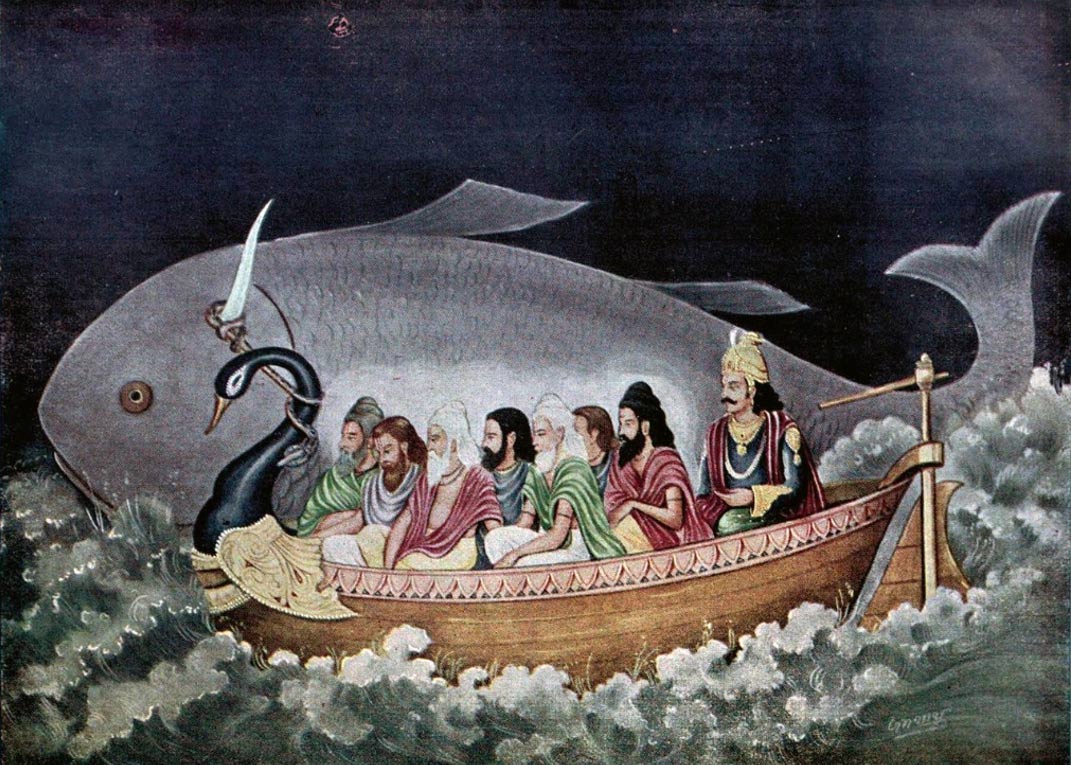
There is a flood story myth in every world culture across time. We had reviewed the history of flood myth amongst the various world cultures in the first part of this series. The question is, are the myth stores about the flood real or merely myth only? Many of the tales are merely popular belief but false stories. What about the flood stories? Are the narrations of a flood mere myths or there was a flood?
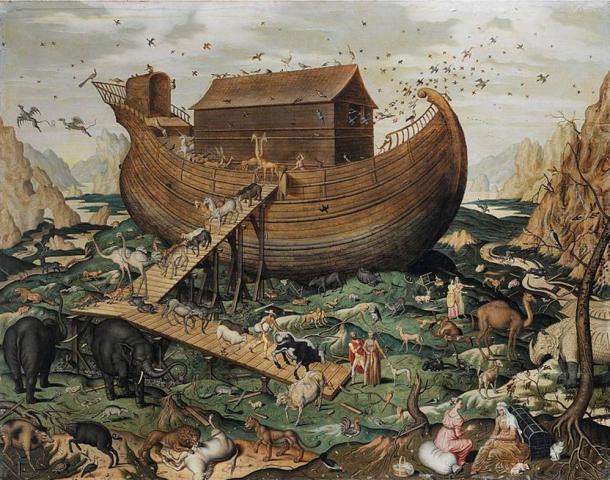
Many cultures and religions have their own narration of an almost identical mythical flood. The episode of the flood is a highly recycled story over a while by different cultures/religions. Though the event is a common one cited by all, there are nevertheless, some differences in terms of narration, cause, and personnel involved.
Do all paths lead to the Ultimate Principle? Are all different religions or faiths/sects different paths to the same goal (God)? Did God make different religions as many consider? I don’t think that God has made any religion let alone motivated anyone to create a religion.
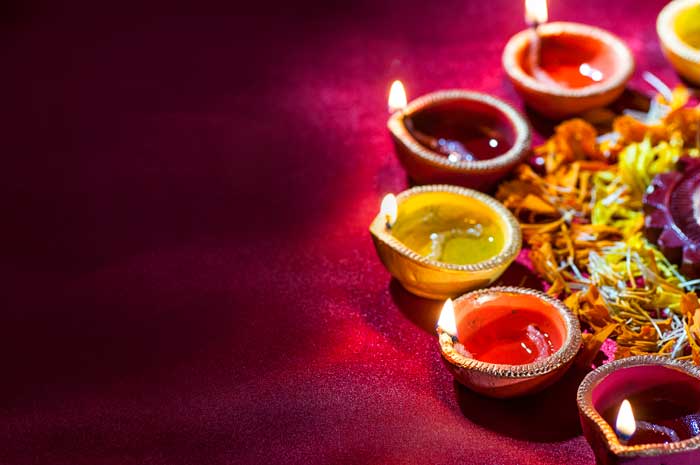
Every year people wait to celebrate Dipawali with a festive spirit by lighting lamps or decorating homes with colourful festoons of electric bulbs and by bursting crackers and with colourful fireworks. The celebration has been reduced to a mere festivity for colourful lightings, exchange of sweets and bursting crackers. Every year children wait for the fun time and elders make it an occasion for eating sweets and wearing new clothes.
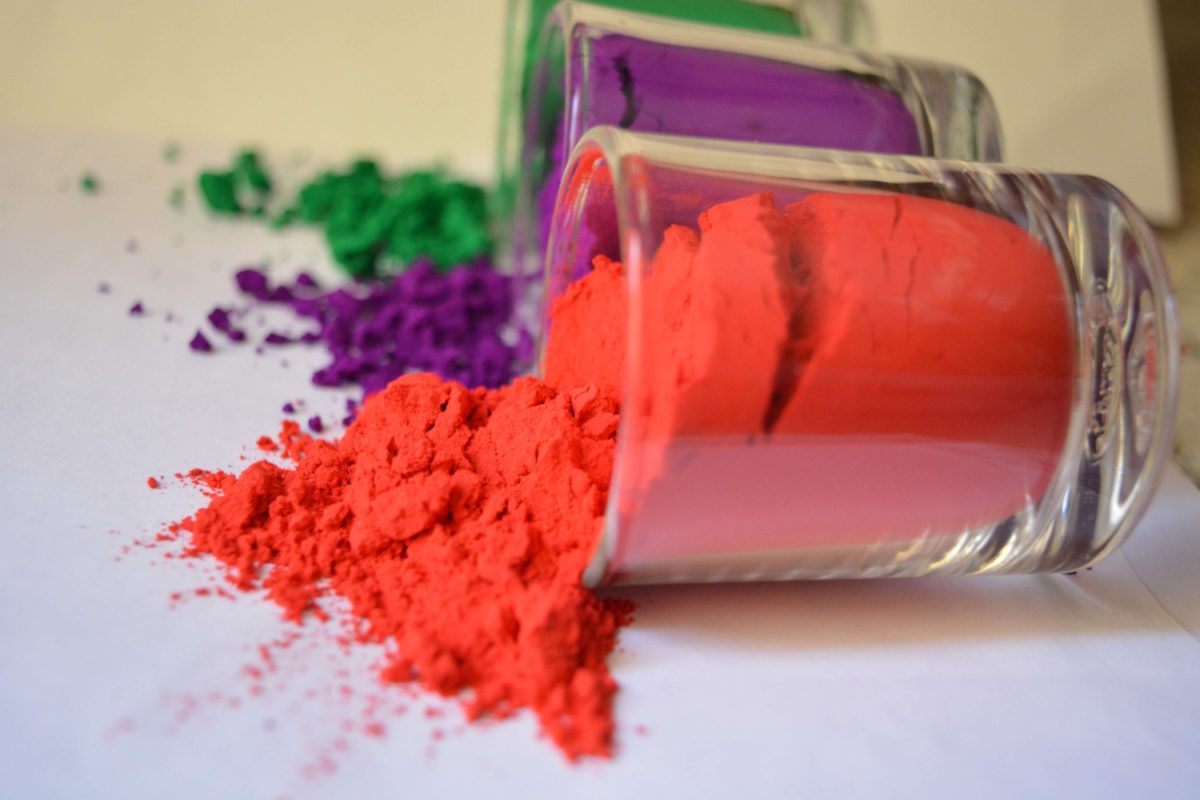
Holi is an ancient festival of India and was initially known as ‘Holika’. Commonly it is celebrated as a festival of colours. The festival is celebrated on Falgun Poornima (full moon in the month of falgun) across the country. It marks the end of the winter season and the beginning of spring.

Apparently, the earliest messengers/prophets had appeared in these traditions. It started with the four sages, Agni, Vayu, Aditya and Angira, who transmitted and propagated the unworldly knowledge from the Creator God in the form of the four Vedas.
From the earliest time of human origin till about 10000 years back, Vedic culture was the religion, so to say, practiced in the world. The many historical incidents like, Arjun marrying a nāg kanya called ‘Ulopi’ from Pāthāl (America*), the belief of the Mosque at Mecca as an earlier temple of Shiva when King Vikramaditya was the ruler there and, Shakuni of Mahābhārath to be a resident of Gāndħār (Afghanistan), all clearly establish the ancient spread of the culture of Bhārath all over the world.
Though there can only be one Supreme Principle, unfortunately, most of the religions have conjured up their own divinities or gods as the Supreme Principle. Keeping aside the Supreme Principle for the moment, if we tread the paths of different religions dotted by each one’s characteristic traditions, beliefs and rituals and climb up the mountain top, we will end up with the concept of LOVE as the final pinnacle of religious glory.
Though most of us talk of and belong to a religion, have we ever addressed our mind seriously on the word and its meaning? We simply accept a particular religion just because we have born into a family and become part of a community that believe and follow the particular faith. We also live with it because of a sense of security (very often false and made to believe) and a sense of feeling of easily meeting the needs and desires of physical existence through the particular object of worship/prayer.