All about Shiva – Part 4
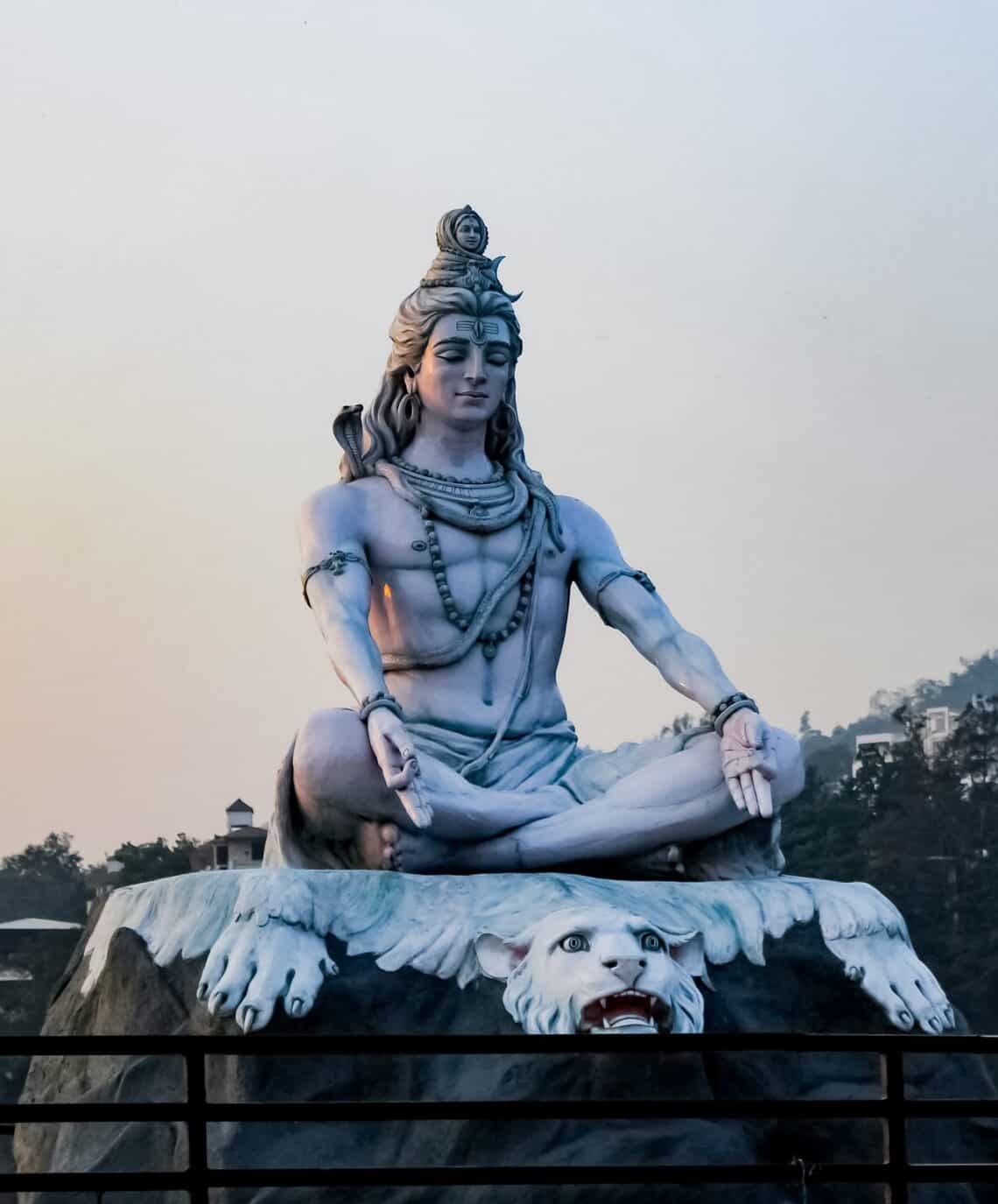
Shivji is, in reality, a master of spiritual practitioner and is ever engrossed in the meditational concentration of the Supreme Lord.
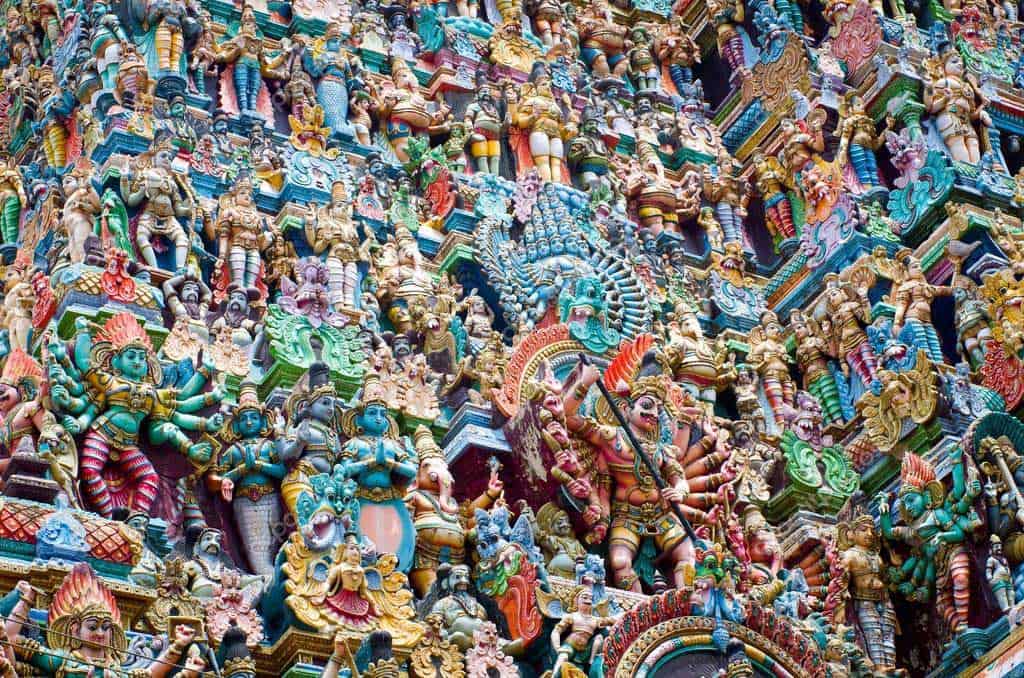
Shiva is mythologically represented in a variety of forms: in a pacific mood with his consort Parvati and son Skanda, as the cosmic dancer (Nataraja), as a naked ascetic, as a mendicant beggar, as a yogi, as a Dalit (formerly called untouchable) accompanied by a dog (Bhairava), and as the androgynous union of Shiva and his consort in one body, half-male and half-female (Ardhanarishvara).
Shiva is a derivative of Vedic Rudra. Rig Veda has three hymns and a complete chapter (16th) in Yajurveda called Rudraardhyaaya dedicated to Rudra and his beautiful form.
The meaning of the word Shiv is ‘the benevolent’, and in Sanskrit, it means ‘auspicious one’. In this sense, Shiv is actually a synonym word for the Supreme Lord as he is a gauge less ocean of benevolence.
These are the steps to reach the supreme Lord Aksharateet Paarbrahm.
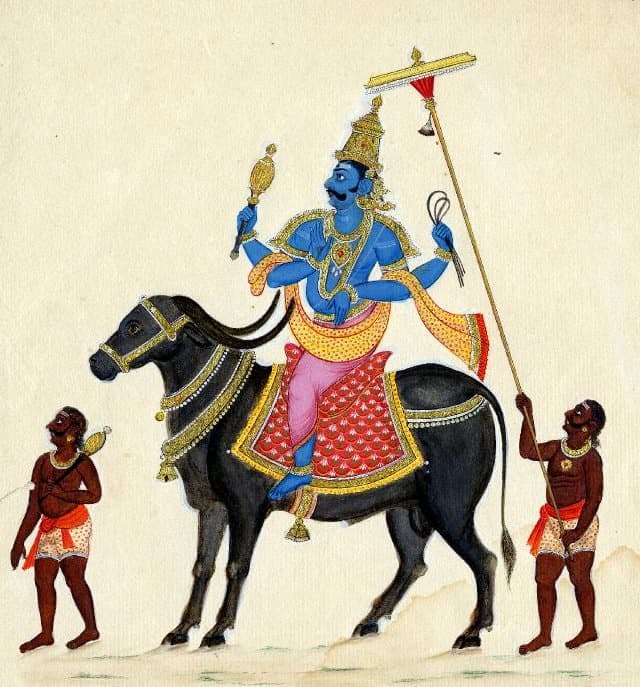
Descriptions of Yamraj as the deity of death can be found in Garud Puran and other mythological texts. Garud Purān and other mythological texts are full of untruth. Yamrāj stands depicted in these texts as having a very fearful body and a width of many kilometres. He is shown as the devta of death, the one who snatches the life of people. He seems to have assistants or messengers who inflict varieties of unbearable torture on sinners in the nether worlds (Hells).
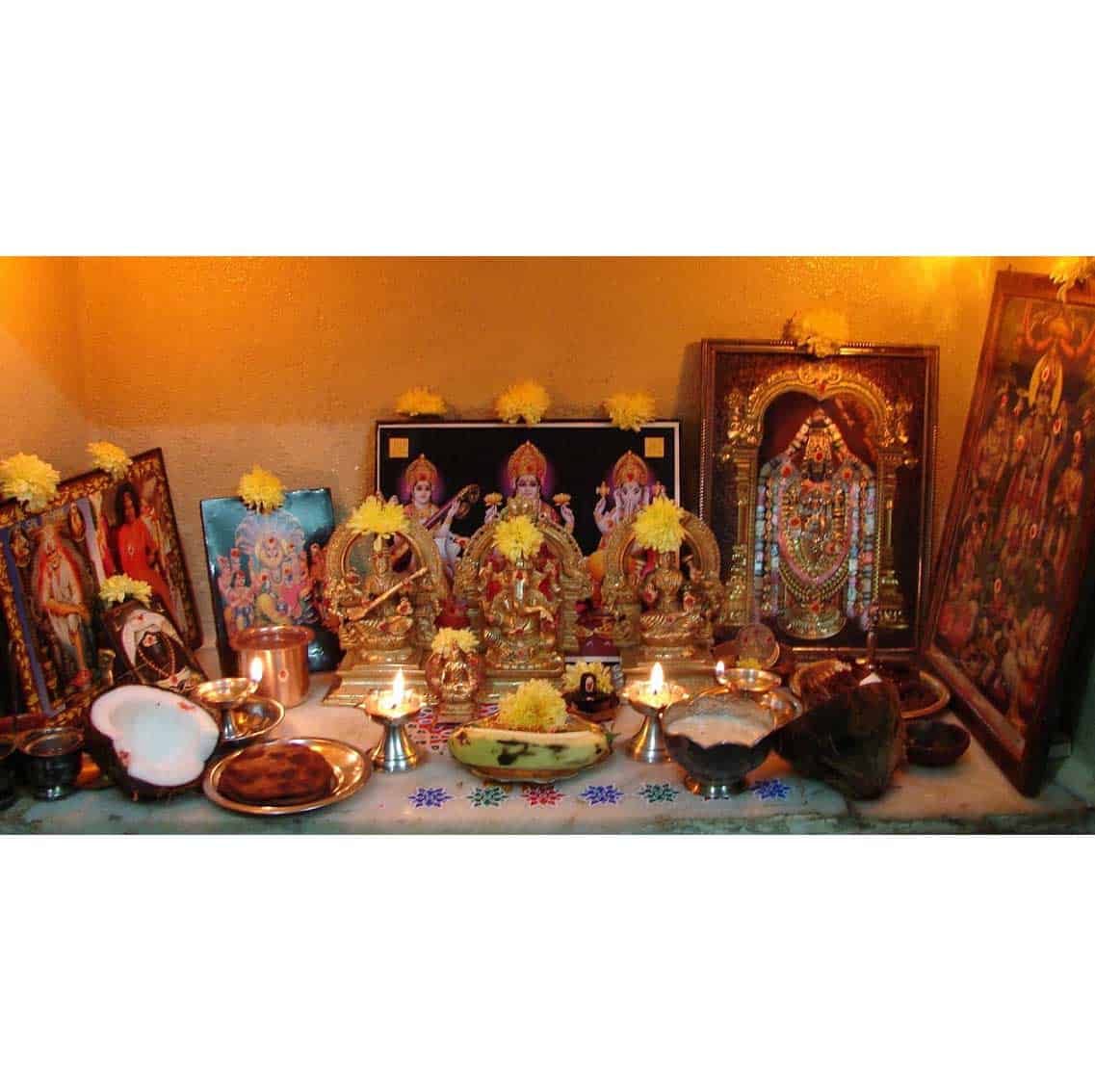
As we find in the world and practised by most people, devotion essentially involves ritualistic practices for self-appeasement. Something like visiting temples, shrines or mosques, worshipping Gods and Goddesses, offering prayers/namaz, formal worship with lit wicks soaked in clarified butter, chanting hymns, donating money, and going on pilgrimage. The question is, why do we do these and what for? By and large, it is for gaining material benefits or getting good husbands or wives for our daughters or sons or health and wealth. We also do these acts with the aspiration to attain peace, health and wealth.
All these are, in a way, the fallen divinities (fallen Aryas) who went out of the Indian subcontinent to lands like China, Iran, Europe, Australia, Africa, America and Lanka and settled there, establishing their culture.
Cħandhyogy Upanishad (3/16/1) gives an idea about Vasu, Rudhr and Ādhithy.
By his halo of knowledge, love, tolerance, penances and sacrifice, any such person who has done good for the whole village for its welfare is known as village deity. But …
Before the sport of Braj, there was a Dev-Asur (divinity-demon) war in which King Dushyant of the Moon dynasty had gone to Himalaya to help Indra, king of the divinity kingdom. While on his return, his chariot had stopped at a hermitage (Kanvāshram) near the river Mālini in Bijnaur Janpadh, situated at the foothills of Himalayas.
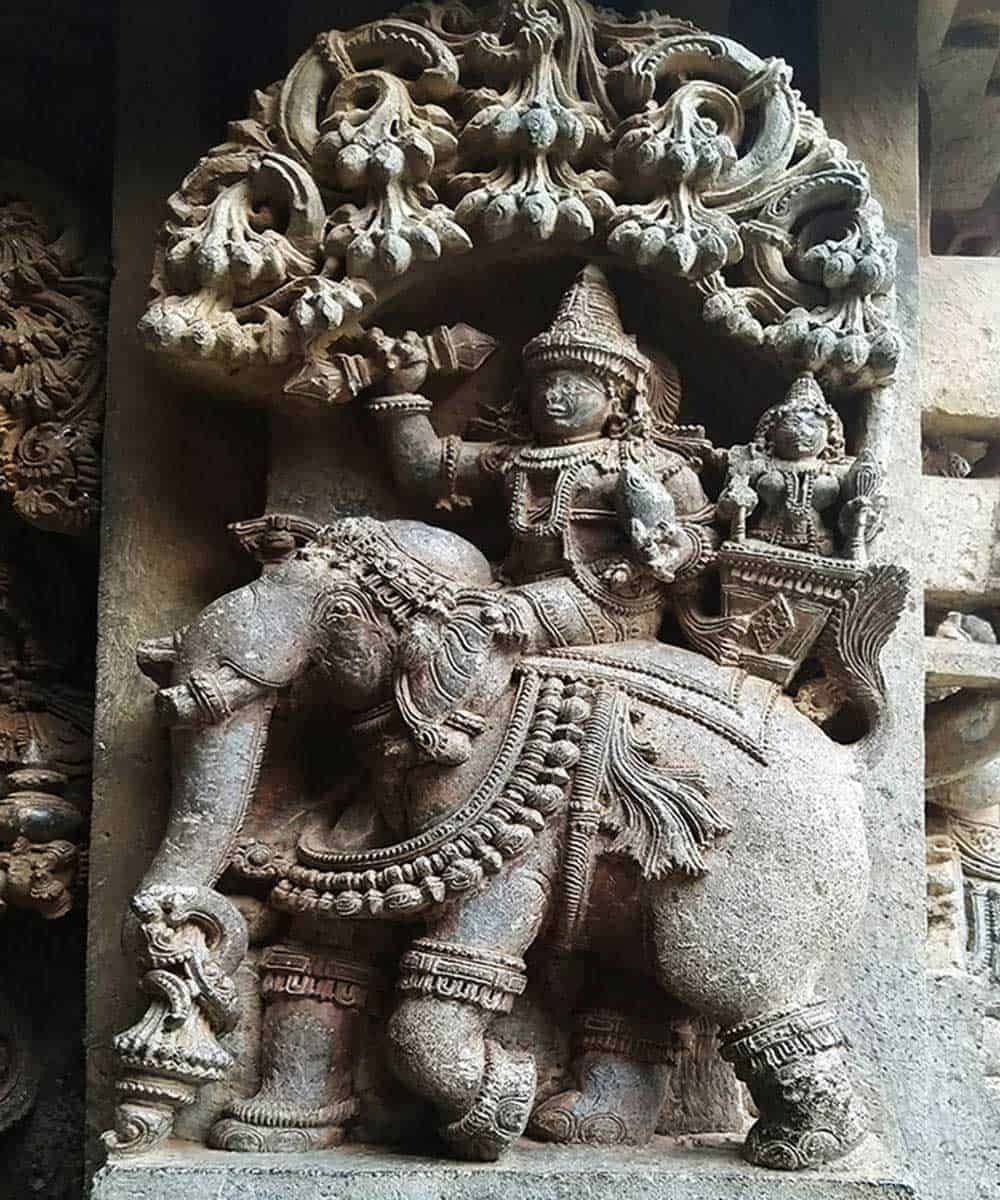
Dev (the divine one), Gandħarv (heavenly musicians, a class of demigods in the paradise of Indra), Yaksh (another type of demigods), Kinnar (a mythical class of celestial persons known for their riches) and Nāg (hooded snakes).
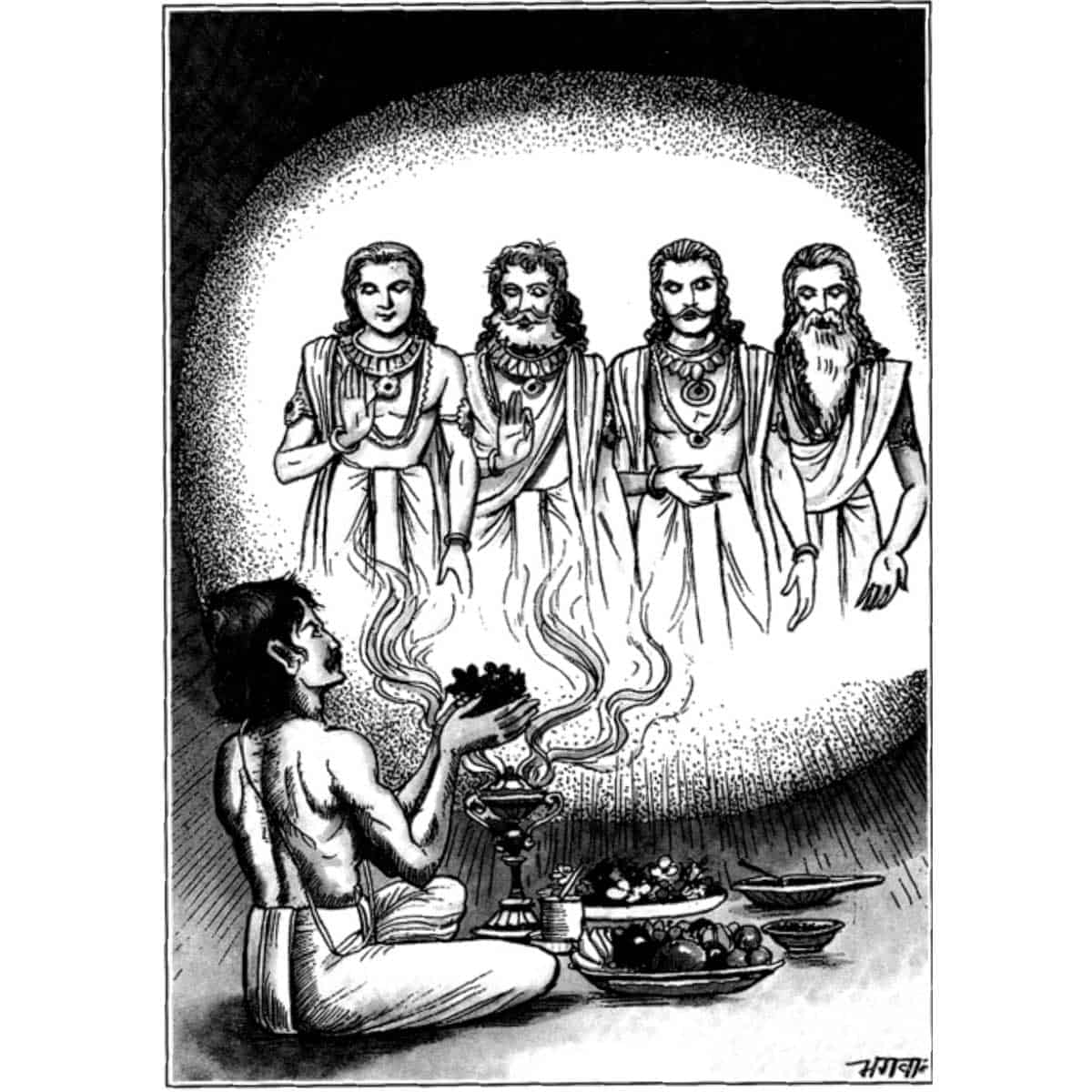
According to mythological texts, the world of the dead is a realm distinct from and above the earth in which the souls of dead humans free off their material bodies reside. The concept is that when relatives of these deceased perform an annual offering of food and water, they reach them and feel satisfied. And so, it is said in religious texts that it is essential to make these offerings for the good and well-being of the dead relatives.
The term ‘paradise’ has a relation to joy and pleasure. Any state that provides enjoyment and pleasure is in itself Paradise. In this article we explain the three types of Paradise.
(Kashmir, Tibet and Mansarovar) by the volitional power of Ādi Nārāyan were called divine creation because of their being highly learned and of truthful nature. With time their number increased to 33 crores. Sometimes, these pious, virtuous, saintly and learned humans were addressed as 33 crore divinities.