One Supreme Truth God – Part 2
The Holy Kuljam Swaroop acknowledges that all scriptures speak of one Supreme Truth God. Yet, people fight in His Name. In this post, we delve into the deeper meaning.
The Holy Kuljam Swaroop acknowledges that all scriptures speak of one Supreme Truth God. Yet, people fight in His Name. In this post, we delve into the deeper meaning.
Many religions, including Nijanand School, share a core belief: the existence of a single, supreme reality. This ultimate Truth is beyond names, though sages have used various terms to describe it.

In 1678 C.E., preparations unfolded for the monumental Great Kumbh Mela Festival, a pinnacle event in the Hindu Faith, set along the sacred riverside of Haridwar, U.P., India. During this time, Pran Nath Ji sensed that the impending time for the revelation of the Buddha Nish-kalanka Avatar had arrived. This chapter delves into an event of profound historical significance within the Hindu world. As Pran Nath Ji graces this auspicious occasion, we unravel insights into his endeavours in Haridwar.
What is the significance of Brahm Gyan, i.e., the Supreme Divine Knowledge. In this post, we delve deeper into the timeless wisdom.

In this post, we uncover additional significance related to Science, Astronomy and Worldly aspects of the 108 beads in a rosary.
Apart from the spiritual significance, there are many worldly or astronomical explanations for the figure of 108 and, hence, the number of beads in a rosary. In this post, we delve deeper their significance.
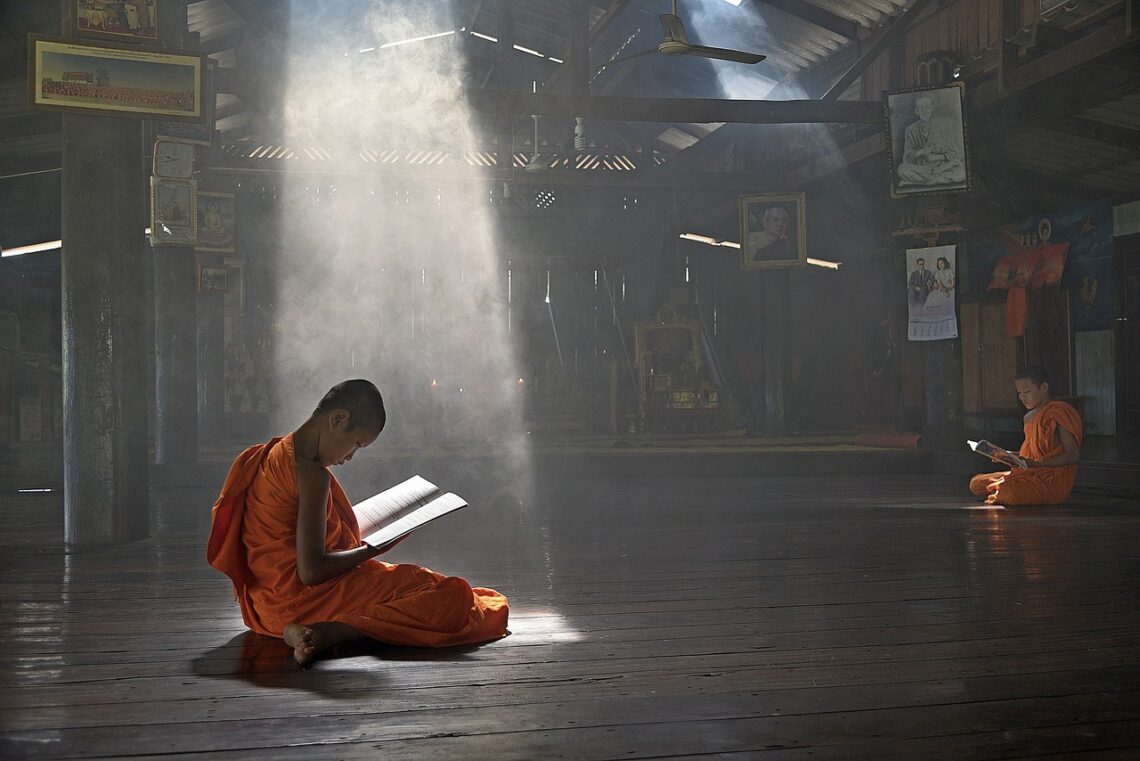
People, often in the name of worship or Devotion, indulge in acts of bartering, like getting desires fulfilled in return for acts of worship or chanting of hymns. Sometimes it is like an act of bribery offering sweets and other offerings in exchange for meeting one’s needs. Some bribery acts are offering money, gold etc., to the deity expecting worldly favours from the deity in return.
As you find in the world and practiced by most people, Devotion essentially involves ritualistic practices for self-appeasement. Something like visiting temples, shrines or mosques, worshipping Gods and Goddesses, offering prayers/namaz, formal worship with lit wicks soaked in clarified butter, chanting hymns, donating money, and going on pilgrimage, with the aspiration to attain peace, health and wealth.
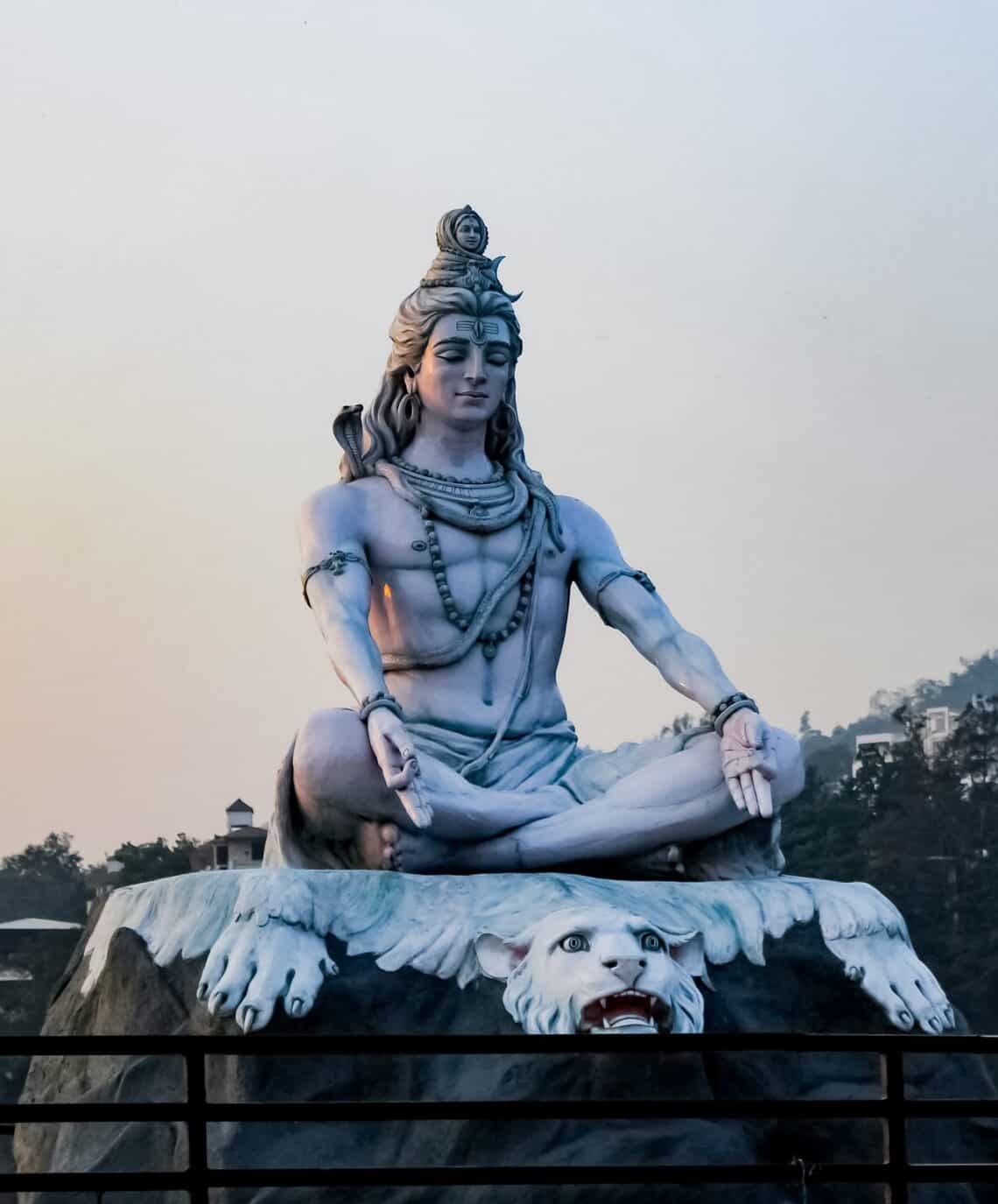
Shivji is, in reality, a master of spiritual practitioner and is ever engrossed in the meditational concentration of the Supreme Lord.
Shiva is mythologically represented in a variety of forms: in a pacific mood with his consort Parvati and son Skanda, as the cosmic dancer (Nataraja), as a naked ascetic, as a mendicant beggar, as a yogi, as a Dalit (formerly called untouchable) accompanied by a dog (Bhairava), and as the androgynous union of Shiva and his consort in one body, half-male and half-female (Ardhanarishvara).
Shiva is a derivative of Vedic Rudra. Rig Veda has three hymns and a complete chapter (16th) in Yajurveda called Rudraardhyaaya dedicated to Rudra and his beautiful form.
The meaning of the word Shiv is ‘the benevolent’, and in Sanskrit, it means ‘auspicious one’. In this sense, Shiv is actually a synonym word for the Supreme Lord as he is a gauge less ocean of benevolence.
These are the steps to reach the supreme Lord Aksharateet Paarbrahm.
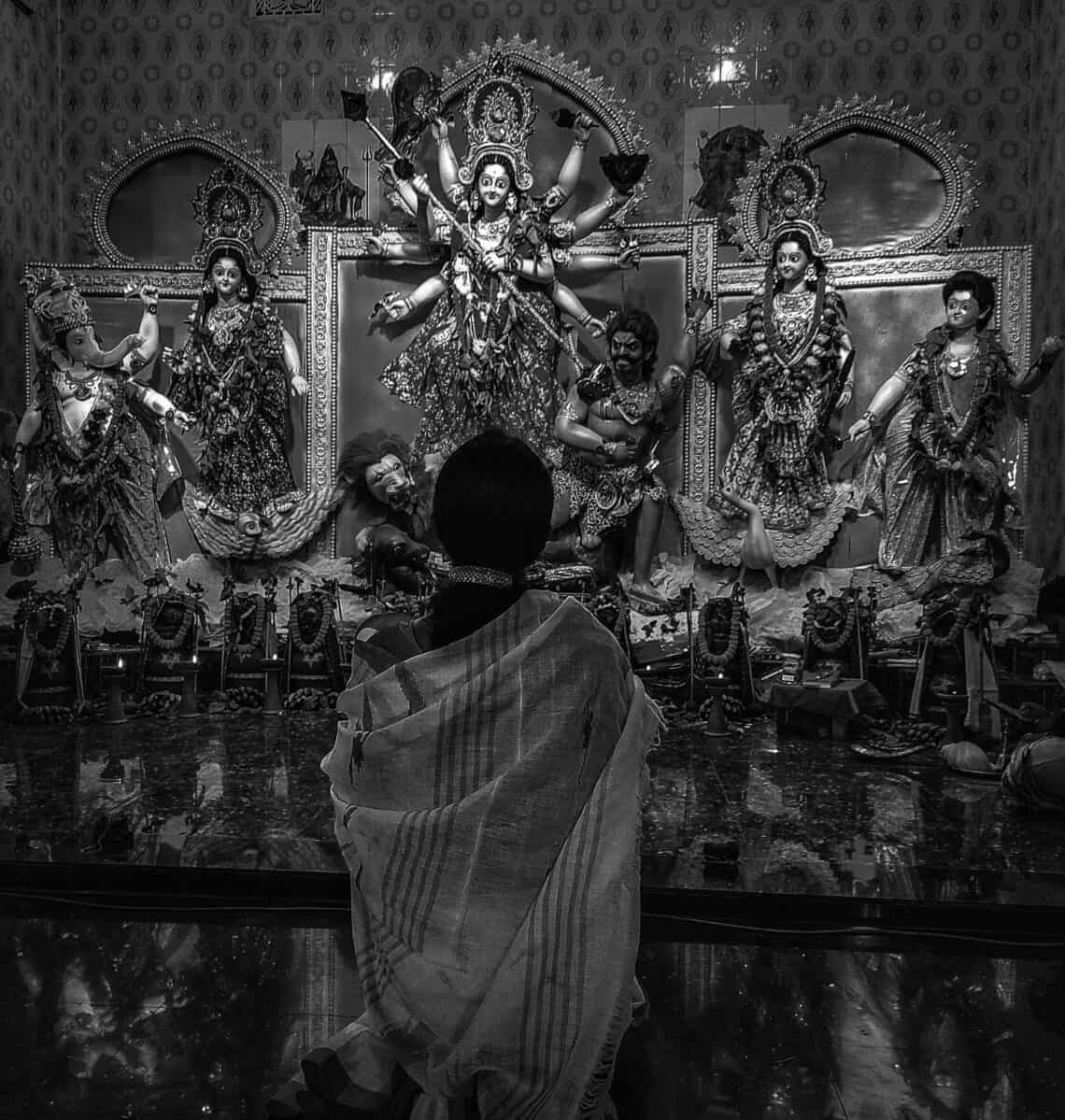
As we find in the world and practised by most people, devotion essentially involves ritualistic practices for self-appeasement. Something like visiting temples, shrines or mosques, worshipping Gods and Goddesses, offering prayers/namaz, formal worship with lit wicks soaked in clarified butter, chanting hymns, donating money, and going on pilgrimage. The question is, why do we do these and what for? By and large, it is for gaining material benefits or getting good husbands or wives for our daughters or sons or health and wealth. We also do these acts with the aspiration to attain peace, health and wealth.

The big bang theory is the most accepted but is also a misunderstood one to some extent. A common misunderstanding…